
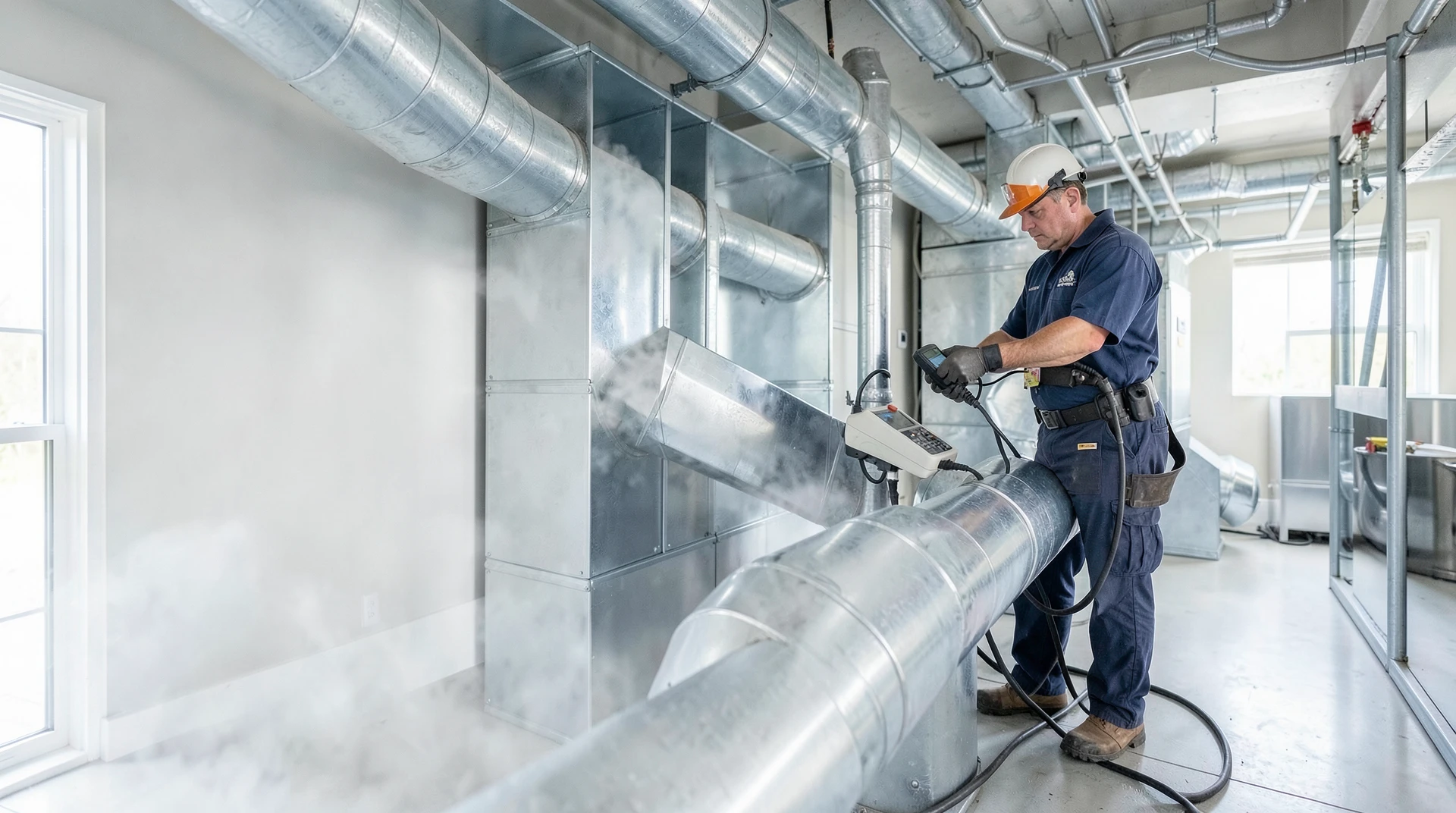
When was the last time your furnace struggled suddenly during a cold snap, or when did you notice that musty smell floating through the house even when your system was running perfectly? If those questions have crossed your mind, it’s not just your unit that needs attention-it might be the pathways the air travels through.
For many homeowners, replacing an HVAC unit feels like a massive, single solution: new furnace, new AC, done. But here's what I've learned over my twenty-four years in this business: simply swapping out units isn't enough to guarantee peak performance or true comfort. The ductwork is the delivery mechanism for all that clean air; it’s not just a set of metal wires tucked away in your attic or basement. It carries the lifeblood of your home's climate control, and if those ducts are compromised, the most expensive new equipment you buy might never reach its full potential.
If you are considering an HVAC replacement-whether that means a whole-house AC upgrade or a furnace overhaul-understanding why is duct cleaning recommended during HVAC replacement? is absolutely crucial for maximizing your return on investment and ensuring the air you breathe is clean, stable, and energy efficient.
The Three Pillars of Efficiency: How Dirty Ducts Sabotage Your New System
The most immediate concern when replacing an expensive system is money. You are making a significant financial commitment, expecting lower utility bills and better performance for decades to come. But dirty ducts can undermine every single one of those promises.
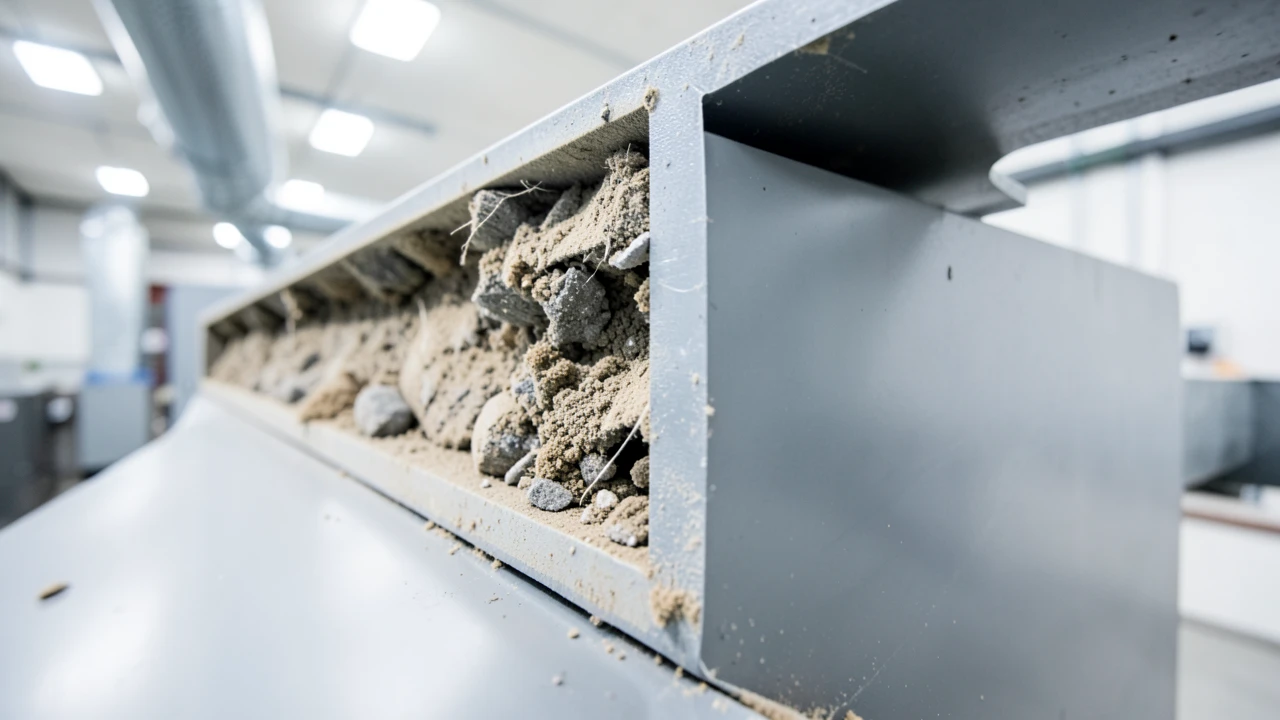
Think of it like this: your new HVAC unit is designed to pump a specific volume of conditioned air at a certain pressure. When the ductwork has accumulated years of dust, pet dander, construction debris, or general grime, that built-up material acts as an impediment-it's literally restricting airflow. It’s not just dirt; it changes the internal dynamics and resistance within your entire system.
This obstruction causes two major mechanical problems:
- Forced Overwork: The new unit has to fight against higher static pressure (the resistance in the ducts) than it was designed for. To push air through those clogged passages, the blower motor has to work harder, run longer, and consume excess electricity. This dramatically lowers the effective SEER or EER ratings of your brand-new system, negating much of the energy efficiency savings you paid for.
- Inefficient Zoning: Air flow is uneven. Some areas get plenty of fresh air, while others-often rooms with poorly connected ducts-get barely anything. This forces homeowners to run the thermostat higher or lower than ideal just to compensate, leading to wasted energy and discomfort across the house.
A simple anecdote I often share with clients: I once serviced a beautiful new system in Heavenly Valley that was running perfectly fine according to its gauges. However, when we thoroughly cleaned the ductwork, we saw an immediate drop in static pressure resistance. The owner immediately noticed better cooling performance and reported seeing less fluctuation on their utility bills within weeks. The ducts were the bottleneck.
Beyond Efficiency: The Health Impact of Indoor Air Quality (IAQ)
While efficiency is a powerful motivator, for many homeowners, the biggest concern isn't the electric bill-it's the air quality itself. We treat HVAC replacement as much more than just mechanical function; we view it as a comprehensive Indoor Air Quality services Carson City upgrade, and this is where duct cleaning becomes non-negotiable for family health.
A new unit can be mechanically perfect, but if the ductwork is contaminated, the air delivered into your home is compromised. This contamination isn't just visible dust; it’s a complex biological soup of microscopic contaminants trapped over decades. These include:
- Mold Spores and Bacteria: Ducts are prime breeding grounds for mold and common bacteria. If condensation or moisture gets trapped anywhere, these organisms can flourish, releasing spores into your home every single time the system runs.
- Allergen Reservoirs: Pet waste, dust mites, skin flakes-these things settle in the ductwork until they build up a massive bio-filter. For families dealing with allergies, running a new unit through this reservoir is nothing short of temporary germ dispersal.
- Chemical Residues: Depending on your home's age or previous renovations (especially if chemicals were used during construction), those ducts can trap chemical residues that are released into the air stream.
The smell-that musty, stale odor you sometimes notice after a prolonged period of HVAC use-is often the first warning sign of severe duct contamination. When we address why is duct cleaning recommended during HVAC replacement? from a health perspective, it’s because we are removing years of accumulated biological and particulate matter to ensure that every breath in your home is as pure as possible.
Protecting Your Investment: Maximizing ROI from AC/Furnace Replacement
Let's talk about the money, directly. The upfront cost of replacing an HVAC system can be substantial, often running into thousands or even tens of thousands of dollars. This makes the concept of "return on investment" (ROI) a critical conversation we need to have right up front.
Skipping professional duct cleaning is like buying a brand-new sports car but leaving the fuel line clogged with old gunk-you're guaranteed not to get its true horsepower.
When you factor in proper duct cleaning, you are essentially purchasing insurance for your HVAC investment. You are ensuring that:
- The system operates at peak SEER/EER ratings advertised by the manufacturer.
- Its lifespan is protected from undue strain caused by restricted airflow.
- You are not paying a massive bill just to circulate contaminants through pristine air pathways.
We understand the concern about potential upselling or unnecessary services-I promise, that's never our goal. Our recommendation for cleaning is always rooted in performance and safety. We must ensure these foundational air pathways are clear for any new system to perform as advertised, whether you live near Heavenly Valley enjoying mountain breezes or further out toward Cedar Flat dealing with seasonal shifts.
As one client told me recently, "I was worried about the extra cost of cleaning; I didn't want it to feel like a scam." My response was simple: "Think of it this way-if we don't clean the ducts, you might pay for two systems: the new one, and another set of higher utility bills over the next five years trying to compensate for poor airflow. That’s the real cost."
What Happens Next? A Clear Path to a Comfortable, Efficient Home
Ultimately, comfort is not just about temperature; it's a holistic experience encompassing efficiency, air quality, and reliability. When you are ready to tackle an HVAC replacement, remember that we approach it as a comprehensive home audit: unit selection (based on your specific climate needs), installation accuracy, and foundational ductwork health.
If you are currently experiencing immediate failure-a sudden breakdown or persistent issues with central AC repair or furnace performance-please know that while we can certainly help with emergency repairs, we strongly advise that any permanent fix incorporates a thorough air pathway assessment. A temporary patch on the unit will only delay the inevitable efficiency loss if the ducts remain compromised.
We start by evaluating your existing system's performance and your home’s ductwork health before discussing replacement options or estimating the HVAC System Replacement cost. This ensures that any quote we provide is accurate, holistic, and designed to solve the root problem, not just the symptom.
If you are ready for a truly comfortable and efficient home-where your climate control system supports both your budget and your family's health-we invite you to schedule a no-obligation assessment. We will evaluate both your unit performance and the underlying air pathways, including specialized repairs like those offered by Carson City HVAC repair experts, that make all the difference in quality of life here in Carson City.