
Keeping Your Cool: When and Why You Need Refrigerant Recharge Services for A/C Units
The sudden blare of a heat wave hits the Valley, and all you want is that immediate blast of cool air. But then, something feels off. The AC kicks on-a pathetic whirring sound-and barely manages to drop the temperature by a few degrees before settling into an uncomfortable hum. For most homeowners in Carson City, this experience isn't just an annoyance; it’s a genuine threat to comfort and well-being. When your cooling system fails at its worst time, it feels like more than just a broken appliance-it feels like life pausing until the heat breaks.
Modern HVAC systems are remarkable feats of engineering, but they are also highly complex machines. They involve hundreds of interconnected parts: motors, coils, compressors, and intricate plumbing lines. When one component struggles, it sends ripple effects throughout the entire system, affecting not just temperature regulation, but also the quality of air you breathe inside your home. Before we even talk about a quick fix or an emergency call-out, it's crucial to understand that modern HVAC maintenance requires professional diagnosis. We can’t simply guess at the problem; a true solution always begins with comprehensive testing and inspection.
At its heart, all AC cooling relies on the principle of the vapor-compression cycle. Think of refrigerant not as "AC gas," but as an incredibly efficient thermodynamic conductor-the actual coolant. It cycles between liquid and gaseous states, absorbing heat from your home (which causes it to boil/evaporate) and then releasing that absorbed heat outside (where it condenses back into a liquid). This cyclical process is what makes cooling possible. While this concept sounds like deep science jargon, the benefit is simple: steady, cool air for your family. Understanding this cycle helps us understand why minor issues-like a slow leak or clogged coil-can suddenly impact everything from temperature to utility bills.
The Real Culprits: Why Low Refrigerant Isn't Always the Full Story
When you hear that your AC isn't cooling properly, the first thing many people assume is low refrigerant. It’s an understandable assumption, but here’s a critical piece of advice I offer after two decades in this industry: low refrigerant is almost always a symptom, not the root cause. If we simply recharge the system without finding and fixing the leak, we are merely applying a temporary band-aid that will fail again.
A true professional needs to dig deeper than just checking pressure gauges. We need to identify why the refrigerant level dropped in the first place. Common sources of loss include:
- Physical Leaks: Over time, copper lines corrode, fittings deteriorate, or joints weaken. These slow leaks are often invisible to the untrained eye but are catastrophic over months.
- Environmental Damage: Condensation issues or external damage (like rodents chewing on lines) can create points of failure.
- System Strain: Sometimes, the issue isn't a leak at all, but rather severe strain caused by dirty components that force the system to work harder than designed.
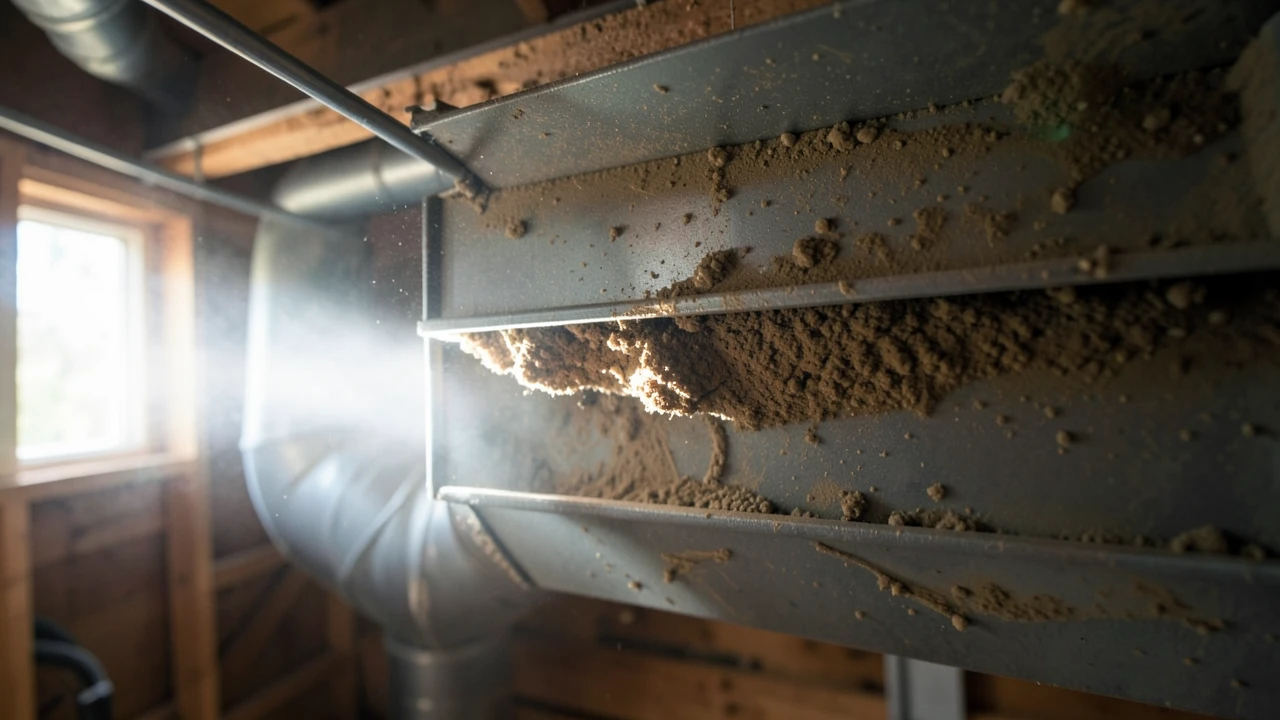
This brings us to an equally vital component: air handling. As I often tell my clients-and this is where my specialty comes in-the health and efficiency of your climate control system start with proper air handling, not just temperature regulation. Even if you had perfectly full refrigerant, a system can perform terribly if the ducts are blocked by decades of dust and debris, or if the filters haven't been changed in months. Think of it like this: you have a perfect engine (the AC unit), but your exhaust pipes (the ductwork) are clogged with mud-it won't breathe properly.
When minor leaks exist, even those seemingly small losses force the compressor to run continuously and harder than intended. This relentless overworking doesn't just make your bill higher; it significantly reduces the unit’s lifespan and drastically decreases its AC system efficiency check rating. Addressing the leak source is therefore not just about getting cold air; it's a direct investment in maximizing your home’s return on efficiency (ROI).
Diagnosing Your System: What True Professional Refrigerant Recharge Services Entail
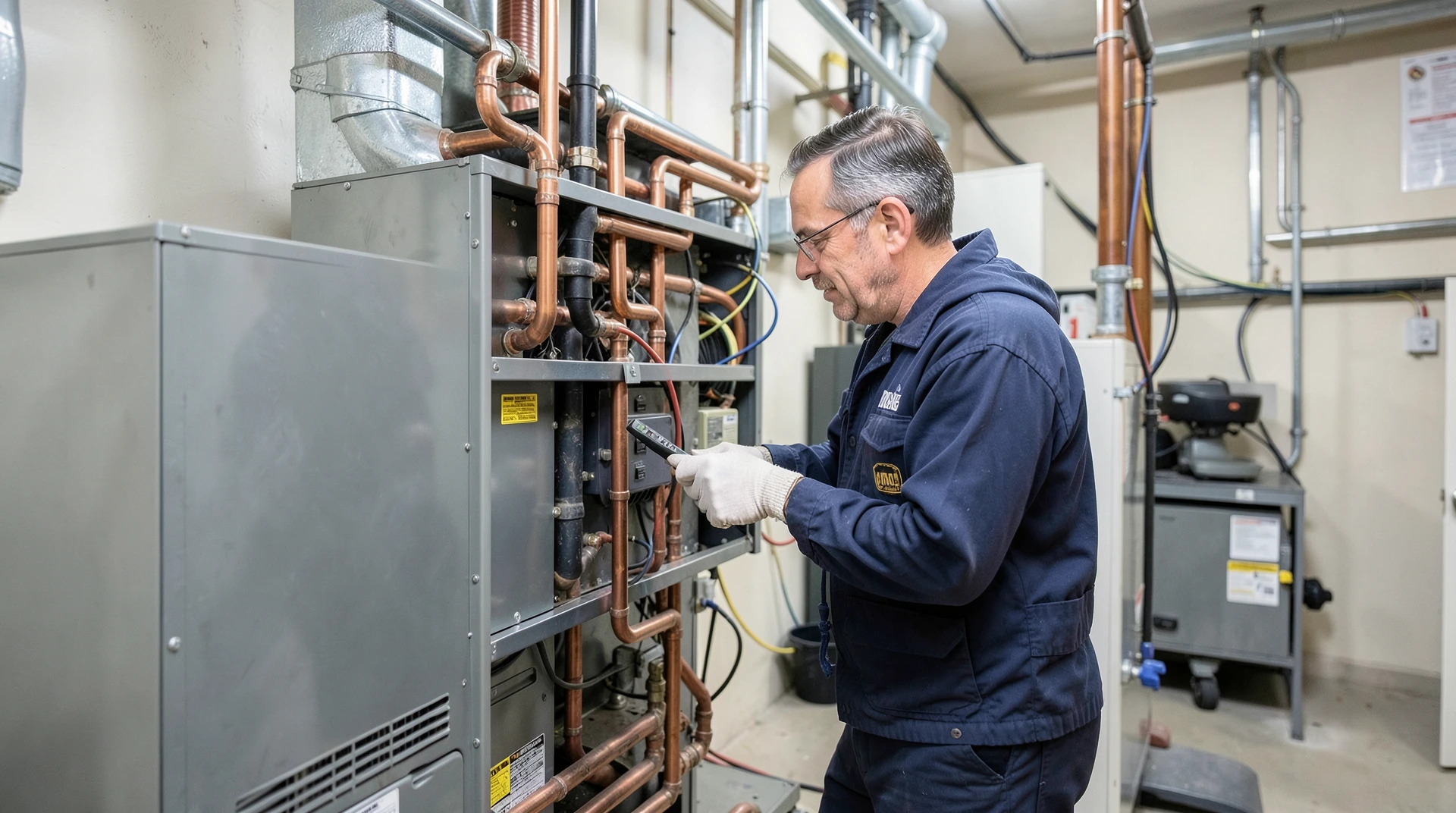
If you are concerned that your AC unit needs more refrigerant, or if its performance has slipped over the last few years, understanding the diagnostic process is key to avoiding costly mistakes. When we talk about professional refrigerant recharge services for A/C units, we are talking about a highly specialized sequence of tests-it’s never just "topping off the gas."
Our diagnosis involves far more than simply checking the thermostat reading or measuring pressure at the service ports. Here is what a thorough, expert evaluation includes:
- Pressure and Temperature Differential Testing: We measure both the high-side (discharging) and low-side (suction) pressures of your system while running. By comparing these against ideal standards, we can pinpoint exactly where the process cycle is breaking down-whether it's a blockage, an oversized load, or a gradual loss of refrigerant charge.
- Advanced Leak Detection: Simple soap bubble tests are helpful but often insufficient for finding minute leaks deep within copper lines or fittings. We utilize electronic leak detectors and specialized nitrogen pressure testing to pinpoint the exact source of the failure, allowing us to service only the necessary section.
- Airflow Measurement (The CFM Test): This is a non-negotiable step. Using an anemometer, we measure Cubic Feet per Minute (CFM) at key points in your home. Low airflow can signal blocked filters, dirty coils, or even structural issues within your ductwork-all of which sabotage the cooling cycle regardless of how much refrigerant you have.
Once all leaks are identified and professionally repaired, the actual recharge process begins. This involves not only adding the correct type and volume of refrigerant (like R-410A for most modern systems) but also performing a vacuum test. Evacuating the system removes non-condensable gases, moisture, and debris from the lines. Skipping this step is like trying to drink from a glass filled with muddy water-it compromises the entire chemical process. Only after a deep vacuum can we safely and correctly proceed with the full recharge, ensuring peak operational efficiency.
Beyond Cooling: Maximizing Your Home's Comfort and Indoor Air Quality
While the initial conversation might center on AC failure or needing refrigerant recharge services for A/C units, I want to pivot our discussion toward what truly defines a comfortable home: air quality. This is where my focus comes into play. For many homeowners, thinking of HVAC means "cooling." But I believe it should mean total wellness.
A dirty, inefficient cooling system doesn't just circulate cool air; it circulates whatever air-and whatever pollutants-are already in your ducts. We are talking about the buildup of allergens, mold spores, dust mites, and even chemical off-gassing from household products. Poor Indoor Air Quality (IAQ) can lead to chronic sniffles, itchy eyes, and respiratory discomfort for the whole family.
To take a truly holistic approach to home comfort, we recommend looking at complementary services that work alongside your AC unit:
- Duct Cleaning: Removing accumulated dust, pet dander, and mold build-up from within the ductwork itself. This is crucial because even the cleanest air can become contaminated by decades of neglect inside rigid metal ducts.
- Advanced Filtration Optimization: We don't just recommend a filter; we help you select the right MERV rating for your specific environment (dusty mountain community versus urban sprawl) to capture particulate matter without restricting airflow too much, which could strain your AC unit.
- Humidity Control Integration: Proper cooling is useless if the air is either too dry or too damp. Integrating whole-house humidification or dehumidification ensures optimal comfort and protects your home's structure.
By treating your HVAC system as a central part of your overall health ecosystem, we move beyond mere repair. We are making an investment in your family’s long-term respiratory well-being-a value far greater than the cost of any service call.
Preparing for Peak Season: Planning Your HVAC Health Checkup
The most stressful time to deal with an AC failure is when you need it the most. Dealing with an emergency cooling system service in the middle of a heatwave means paying premium prices, dealing with stress, and operating on guesswork. The solution lies in proactive planning-the annual professional tune-up.
A preventative maintenance visit (or "tune-up") is not an optional expense; it is the most reliable form of insurance you can buy for your home comfort. During this service, we perform a comprehensive assessment that includes everything from checking electrical connections and refrigerant pressures to assessing overall system cleanliness. We address minor issues-like a dirty condensate drain line or slightly worn capacitor-before they snowball into catastrophic failures.
When considering maintenance, it’s helpful to think about the lifespan of your equipment. While sometimes all you need is professional refrigerant recharge services for A/C units, other times, an older unit simply cannot meet today's efficiency standards. We always provide clear data on SEER ratings and energy costs so that when it comes time to make a major decision, you understand the real return on investment (ROI) of replacing an old unit with modern, high-efficiency alternatives-all while sticking to your budget.
When was the last time your system struggled during a cold snap? The best way to avoid that stress is to book your seasonal checkup now. Whether you’re in Heavenly Valley needing cooling preparation or dealing with furnace tune-ups for winter, reliable local service should be planned well ahead of extreme weather hitting. We promise transparency: we will explain all the necessary steps and costs upfront, ensuring there are no unexpected fees when it’s time to call us at +1 775-490-8107.
Don't wait until that sudden heatwave forces your hand into an emergency repair. Let's schedule a full HVAC health checkup today-a conversation about proactive comfort and efficiency-so you can enjoy reliable, worry-free air conditioning all season long. Home. Commercial HVAC Services. Indoor Air Quality Services. the areas we serve.